


Diner checking the menu on mobile
The menu should be readable without downloading a tiny PDF. We structure dishes, sections, prices and approved dietary markers so staff can update them without rebuilding the page.
 Get a Free Quote
RESTAURANT WEBSITES / PERTH, WESTERN AUSTRALIA
WordPress websites for Perth restaurants, cafés and hospitality venues that need to turn mobile discovery into bookings, orders, function enquiries and real visits. We structure the site around the decisions diners make before they arrive: menu, location, opening hours, booking availability, dietary information, functions and the fastest next action — then connect those pathways to the venue's actual reservation, ordering or POS ecosystem where technically supported.
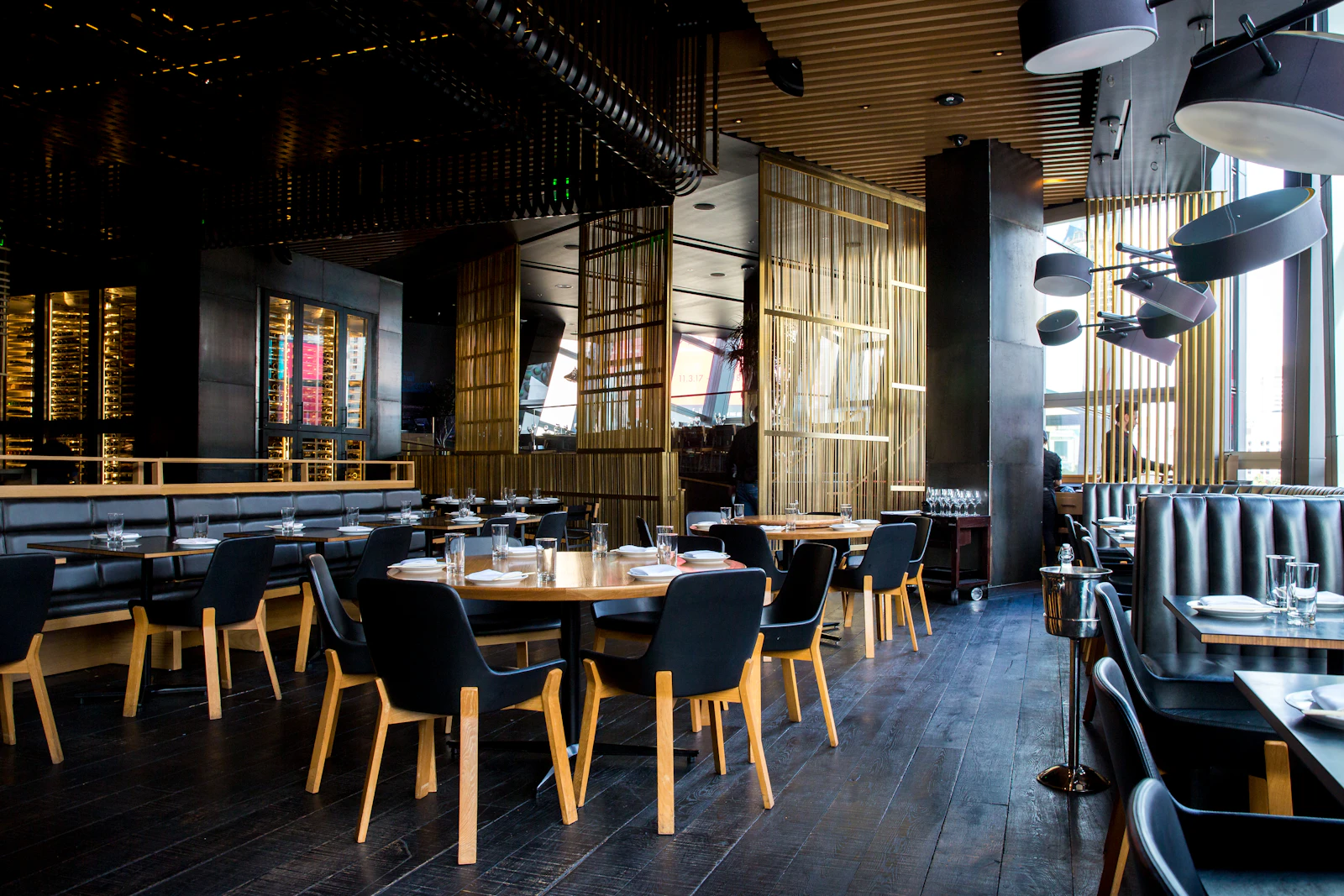
DINERS DECIDE FAST
A restaurant visitor is often deciding within minutes: do I like the menu, is it open, can I book, is it near me, does it suit the group and what do I do next? We design the site around those decisions rather than making people fight through a cinematic homepage before finding practical information.

The menu should be readable without downloading a tiny PDF. We structure dishes, sections, prices and approved dietary markers so staff can update them without rebuilding the page.
Opening hours, location, booking availability and the correct reservation platform should be visible immediately. The website should not make a time-sensitive diner hunt through social media for basic information.
Functions have different intent from everyday dining. Capacity, spaces, suitable event types, inclusions and a qualified enquiry form deserve their own path instead of a generic Contact page.
A customer searching in Fremantle, Northbridge or Subiaco wants a useful local answer: cuisine/style, hours, location, menu and booking. Strong local pages and structured venue data support that decision.
THE WEBSITE SHOULD MIRROR HOW THE VENUE OPERATES
A strong restaurant site separates high-intent customer tasks so a diner can reach the right action quickly. The exact mix depends on the venue's service model.

Build lunch, dinner, breakfast, set-menu or seasonal sections as editable content with clear prices and approved dietary markers. A downloadable PDF can remain optional, not the only way to read the menu.

Connect the website to the venue's actual reservation platform or booking workflow and keep the Book action visible from menu, location and mobile views.

Where takeaway or pickup is part of the business, we route customers to the approved ordering platform and clearly distinguish direct ordering from third-party marketplace links.

Create dedicated pages for private dining, birthdays, corporate events or group bookings where genuinely offered, with capacity, space information and a qualified enquiry flow.

Each genuine location can have its own hours, map, parking/access notes, menu differences and booking destination instead of forcing customers to decode one combined page.

If the venue sells gift cards or approved promotions, we connect the website to the correct purchase flow and keep validity, redemption or venue conditions clear.
MOST DINERS ARE NOT BROWSING FROM A DESK
Mobile visitors often arrive from Google Maps, Instagram, a shared link or a local search minutes before making a decision. The site should surface menu, booking, hours and directions immediately.

A PDF can remain available, but the core menu should be readable on a phone with accessible text and clean section navigation.
The reservation CTA stays close to the menu, location and function pages instead of appearing only in the header.
Multi-location groups need separate trading information so customers are not shown one set of hours that applies only to another venue.
We can measure booking-link clicks, order actions, function submissions and direction clicks without pretending page views equal restaurant revenue.
VENUE + CUISINE / EXPERIENCE + LOCATION
Restaurant local SEO works when the site reinforces the real venue: accurate hours, address, menu, booking destination and useful neighbourhood context. We do not create fake 'restaurant near every suburb' pages for a single physical venue.
The page should combine menu, hours, booking, map and venue context rather than generic city copy.
Local dining intent is highly practical; real venue details matter more than a keyword-heavy landing page.
Use unique venue, menu, access and local context for the actual location.
Location pages should support the real dining room and booking flow, not represent service areas where no venue exists.
Function searchers need spaces, capacity and enquiry information rather than the standard reservation page.
Use a page only for a real venue or materially distinct hospitality operation in that area.
SHOW THE EXPERIENCE PEOPLE ARE ACTUALLY BOOKING
Restaurant trust comes from accurate current information and a clear picture of the venue experience. We organise real photography, menu content, function spaces and genuine external proof without making customers guess what is current.
Use current photographs of the dining room, exterior, dishes and function areas rather than relying on unrelated stock imagery once the venue's assets are available.
Structure menus so staff can update items and prices; show update dates or disclaimers where the venue's menu changes frequently.
Show real room layouts, capacities and event-use context where functions are offered.
If the venue chooses to display public reviews, keep them genuine and identifiable rather than rewriting comments into stronger claims.
Only display current awards, guides or press coverage supplied or approved by the venue.
GOOGLE BUSINESS PROFILE + RESTAURANT WEBSITE
A restaurant loses trust quickly when Maps says one thing and the website says another. Hours, address, booking destination and menu access should be consistent across owned channels.
Perth CBD and Northbridge attract high mobile and visitor-driven dining intent; Subiaco, Mount Lawley and Leederville combine strong neighbourhood and destination dining; Fremantle carries heavy local and visitor search; Scarborough has coastal and event-driven demand; Joondalup serves a large northern catchment. We reflect only genuine venue locations.
Keep regular trading hours and special closure information aligned across the website and owned local listings.
Send diners to the right reservation platform and the right venue instead of a generic group landing page.
Make current menu information easy to reach from the local listing and website without forcing mobile users into a hard-to-read document.
Add practical address, map, parking/public-transport or accessibility notes where useful.
Each location should have its own hours, booking destination and venue information when the group operates multiple sites.
Track which venue, function and local pages earn search visibility before expanding the content plan.
FROM LOCAL SEARCH TO A BOOKING, ORDER OR FUNCTION LEAD
Different restaurant actions belong in different systems. We design the website as the routing layer that gets the customer to the right reservation, ordering or enquiry process with as little friction as possible.
The diner enters through the venue, location, menu, booking or function intent that matters to them.
Relevant entry pageCurrent menu, hours, location, photographs and practical information help the diner decide quickly.
Decision-ready visitorThe page presents booking, ordering, directions or function enquiry based on the visitor's task.
One clear next stepThe visitor moves into the venue's approved platform or submits a structured function enquiry.
Commercial actionBookings, orders and event leads arrive in the operating system or team that already manages them.
No unnecessary duplicate processIf the venue already uses a reservation, ordering, POS or gift-card platform, we scope around supported links, embeds, APIs or integrations. The goal is to reduce duplicate data entry, not create a second system staff must keep in sync manually.
RESTAURANT WEBSITE PRICING
Restaurant website scope increases with structured menus, booking/ordering integrations, functions, gift cards, multiple locations and how often venue staff need to update operational content.
Current Australian 2026 restaurant-website guidance places professionally configured/template restaurant sites around A$2,000–A$6,000, semi-custom restaurant builds with real menu CMS and integrated bookings around A$6,000–A$15,000, and larger custom/multi-venue builds around A$15,000–A$30,000+. We use working comparison points of A$5,000 / A$10,000 / A$15,000; each Alpha guide price is exactly 60% of that reference — 40% lower.For one restaurant or café needing a strong menu, booking, hours, location and mobile-first local presence.
Typical delivery: 3–4 weeksFor an established venue needing structured menus, reservations, functions, ordering/gift-card pathways and stronger local search.
Typical delivery: 4–6 weeksFor hospitality groups or complex venues requiring multiple locations, menu variation, routing and deeper integrations.
Typical delivery: 6–9 weeksGuide prices are in AUD. Reservation, ordering, POS, gift-card and delivery-platform subscription/transaction fees are not included unless stated. The venue is responsible for approving menu prices, dietary/allergen wording, trading hours, function terms and promotional claims. Professional photography, copywriting, advanced custom integrations and ongoing SEO/content are separate unless included in writing.
Additional approved design / development: A$90/hrSELECTED LOCAL-AND-CONVERSION DESIGN PATTERNS
These portfolio examples are not presented as Perth restaurant case studies. They demonstrate local discovery, service choice and mobile conversion patterns that can be adapted to hospitality.
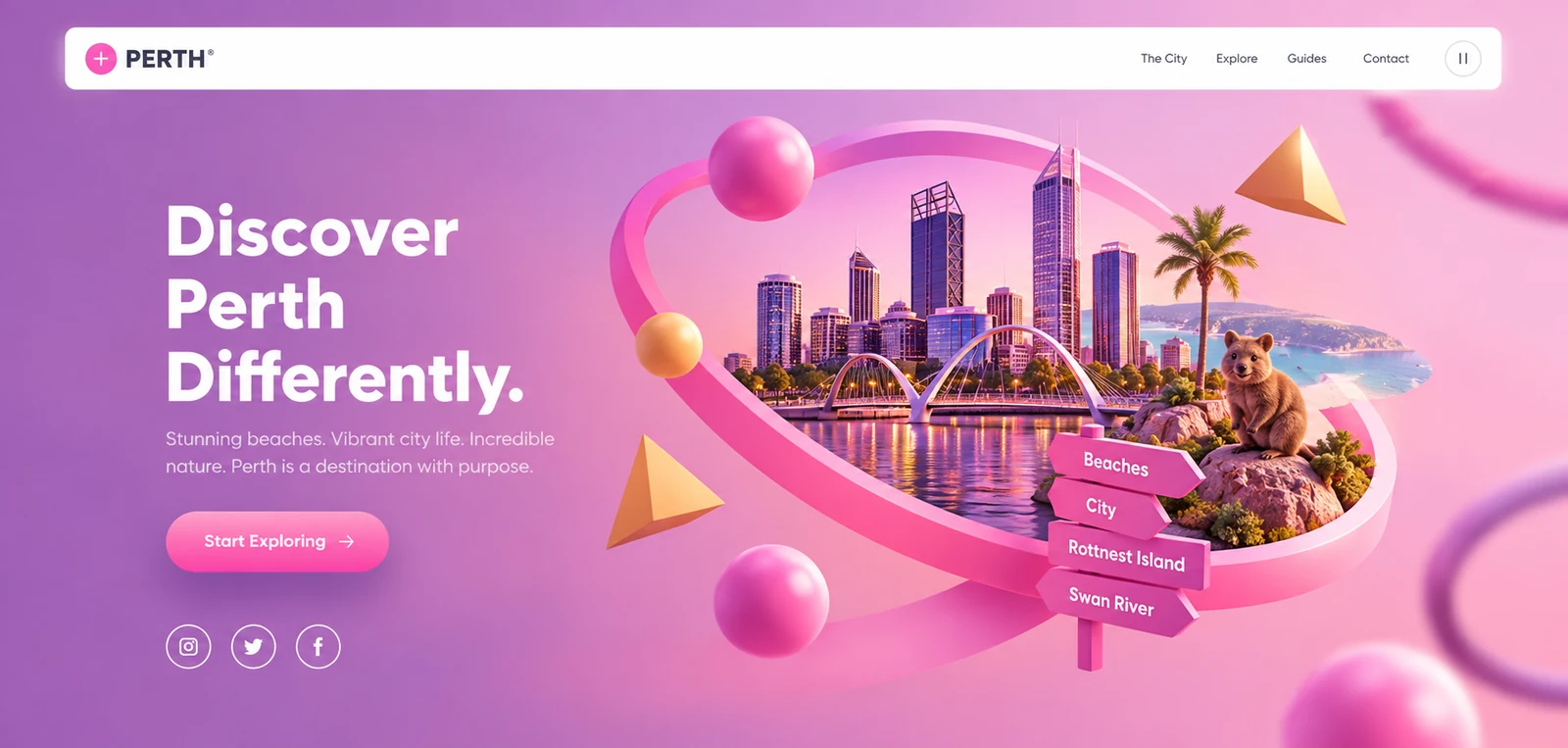
Shows location-led discovery and editorial presentation useful for venue, neighbourhood and event content.
View project ↗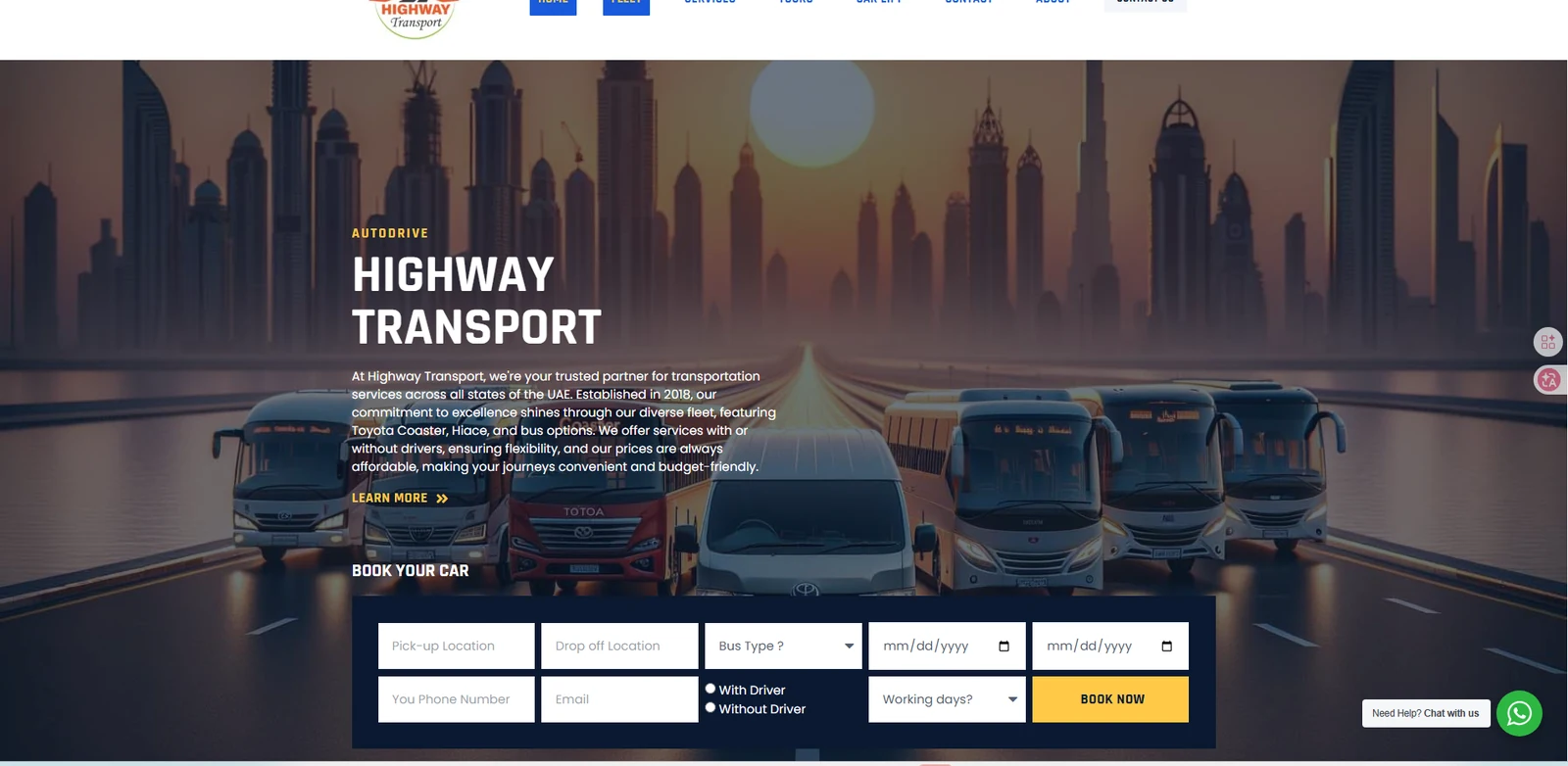
A live service website demonstrating direct mobile actions and clear routing across different customer intents.
View project ↗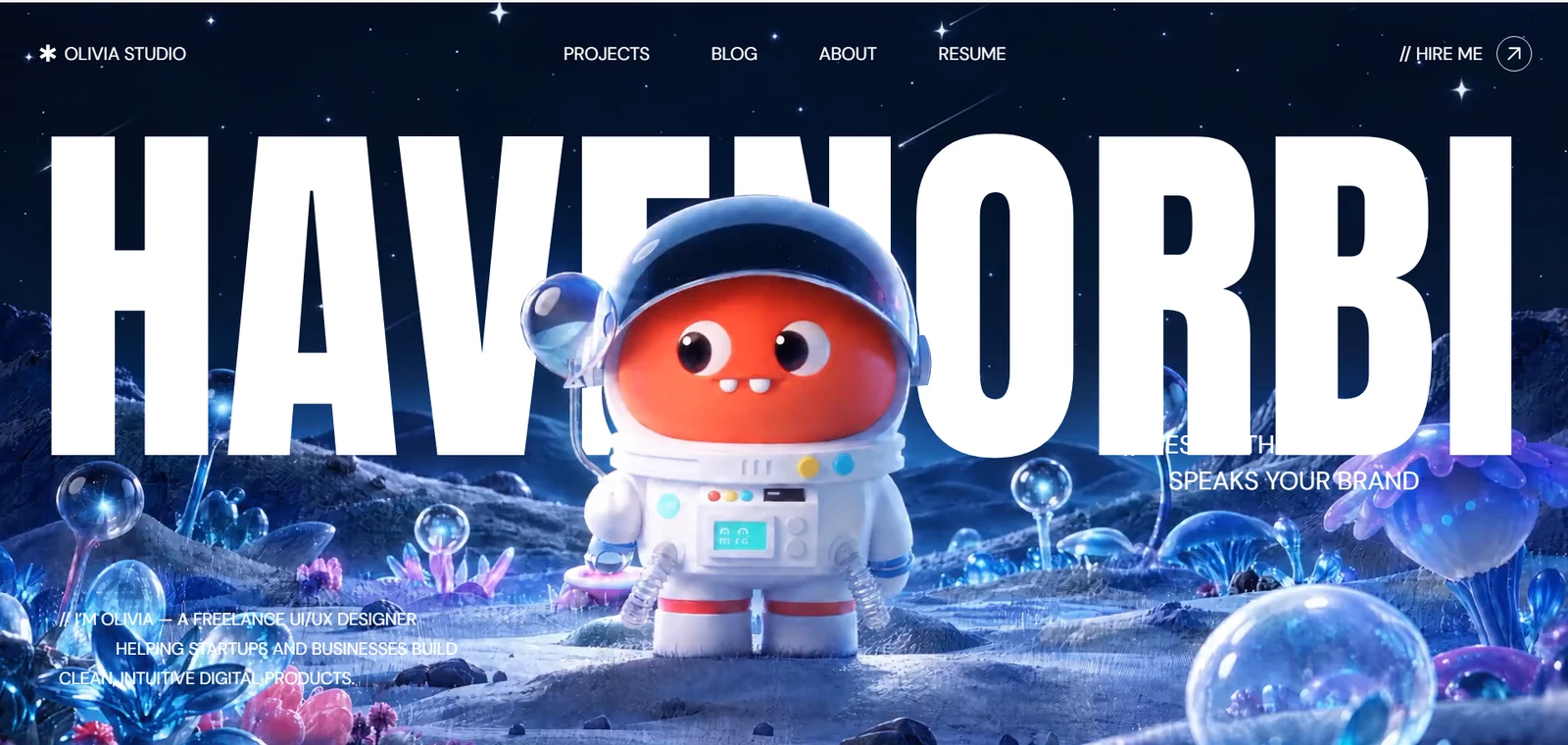
Demonstrates a strong visual identity with enough restraint to keep practical conversion information readable.
View project ↗RESTAURANT WEBSITE QUESTIONS BEFORE YOU INVEST
Straight answers about restaurant website cost, menus, bookings, ordering, functions, Google visibility and ownership.
Current Australian 2026 guidance places professionally configured restaurant sites around A$2,000–A$6,000, semi-custom restaurant builds around A$6,000–A$15,000 and larger custom or multi-venue sites around A$15,000–A$30,000+. Our guide packages are A$3,000, A$6,000 and A$9,000, each exactly 40% below its working market reference.
We recommend structured web content for the primary menu so it is readable, searchable and easy to update on mobile. A PDF can remain as an optional downloadable version if the venue needs one.
Usually yes through the platform's supported link, embed, API or connector. We first confirm the actual reservation platform and account permissions before promising a deeper integration.
Yes. The website can route to the venue's direct ordering platform, pickup system or approved third-party service. We keep ordering and reservation actions distinct so customers do not enter the wrong workflow.
Yes. We can capture event type, preferred date, guest count, venue/space and contact details and route the enquiry to the correct events team.
Yes for genuine venues. Each location can have its own hours, menu differences, map, access details, booking destination and local content.
We focus local SEO on real venue locations and genuine function/service intent. We do not recommend creating pages that claim a physical restaurant presence in suburbs where no venue exists.
Typical guide timelines are 3–4 weeks for Single Venue Essentials, 4–6 weeks for Bookings & Functions Growth and 6–9 weeks for Multi-Venue Hospitality Platform once menus, photography, platform access and approvals are available.
Yes. Structured menu content is designed so authorised staff can update items and prices from WordPress, and training is included in all three guide packages.
Yes, subject to clearly identified third-party booking, ordering, gift-card or other hosted platforms. We provide the agreed WordPress/admin handover and do not intentionally lock the venue into an agency-only proprietary platform.
START WITH THE DINER ACTIONS THAT MATTER MOST
Tell us how guests currently view the menu, book, order and enquire about functions.
Share your current site, Perth venue locations, menus, booking platform, ordering system, function offer, gift-card setup and Google Business Profiles. We will scope the website around the restaurant's real operating workflow rather than a generic hospitality template.